As a teacher scholar, I work closely with students to produce and critique knowledge, particularly as it intersects with media and technology. I believe, as Black feminist scholar bell hooks argues, the classroom is a “radical space of possibility,” and the end goal of education should be the “collective liberation” of both teachers and students.
I am committed to the liberal arts for its emphasis on broadness and critical thinking. I practice problem-based learning and working with community partners to deepen the relationship between the classroom and society. I have published and presented on international journals and conferences on topics of digital pedagogy and curricular innovation.
-
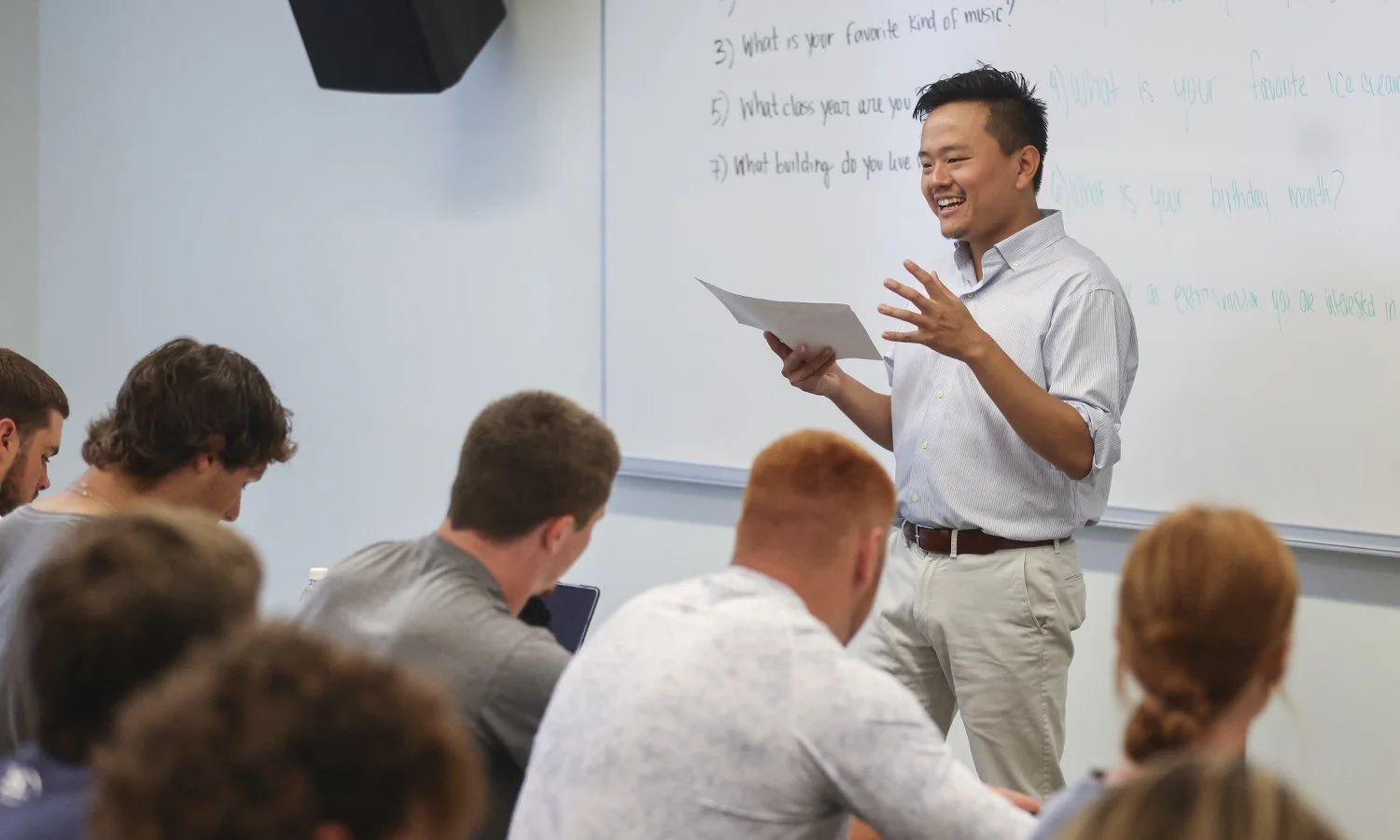
I regularly teach introductory-level courses such as “Information and Influence: Digital Media Literacies” and “Introduction to Media and Society.”
These courses introduce students to key concepts of media studies while immersing them in historical and contemporary debates about media cultures and forms.
I also teach students how to assess the reliability and quality of information sources by using methods recommended by the Digital Inquiry Group’s Civic Online Reasoning curriculum and Mike Caufiled’s SIFT method.
-
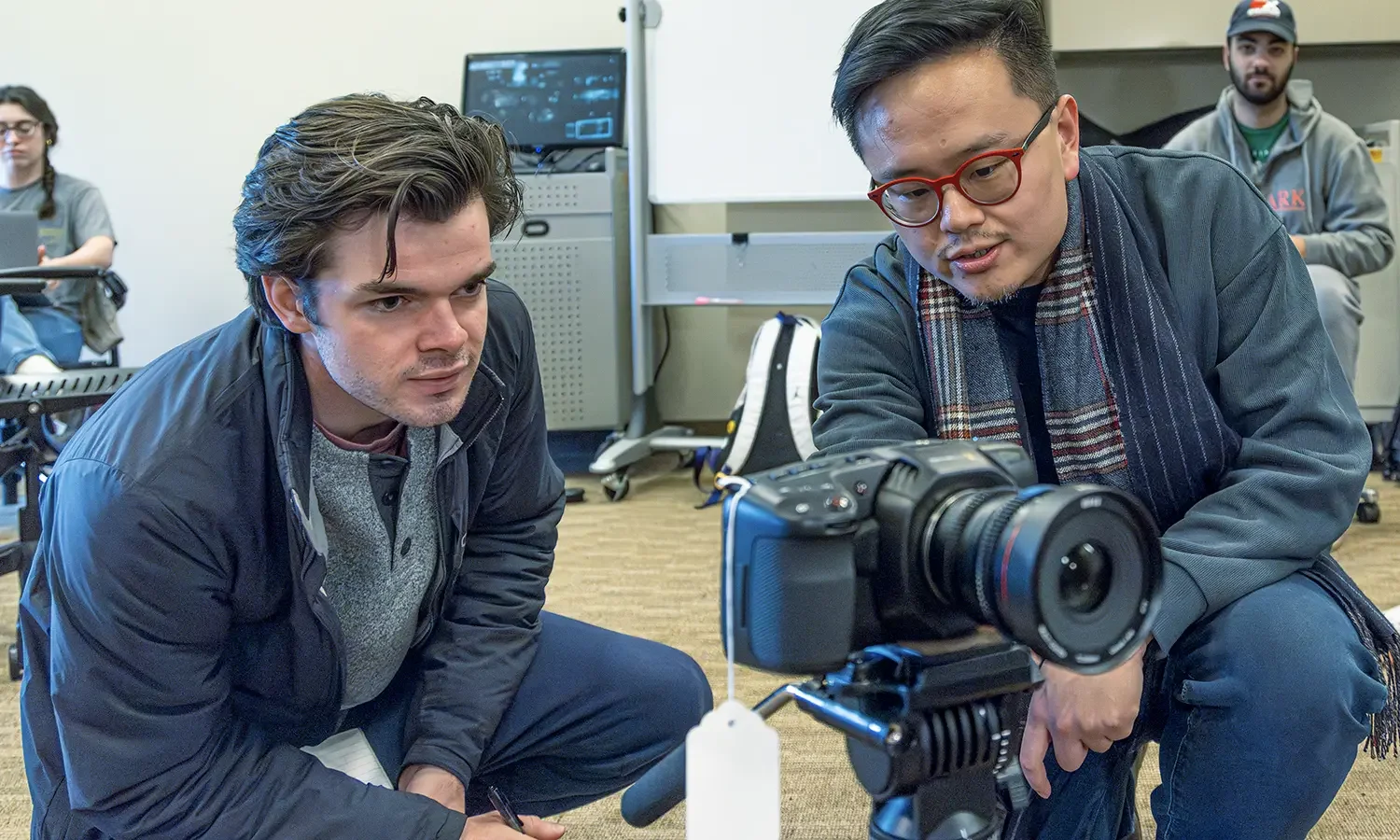
I teach documentary and public media production courses such as “Documentary Production for Social Change” and “Listening to the Finger Lakes.”
These courses equip students with essential skills to produce media content such as documentary films and audio reporting, leveraging the power of media to affect social change.
-
I deliberately center the “global” in my curriculum to ensure students look beyond American models of media and technology.
My courses explore how global networks, migration, and colonial legacies shape visual culture and knowledge production across borders. This framework directly informs my field-based teaching, such as leading environmental media production modules in Freiburg, Germany, where students examine ecological crises through an international lens.
I use these methods to teach students to recognize how local environments are always connected to broader, global stories.
-
I have directed honors and independent theses covering topics from community-based journalism in the Finger Lakes to the study of personal documentaries and transnational media forms.
Additionally, I routinely mentor teaching assistants within my home department, encouraging their growth as educators and scholars.
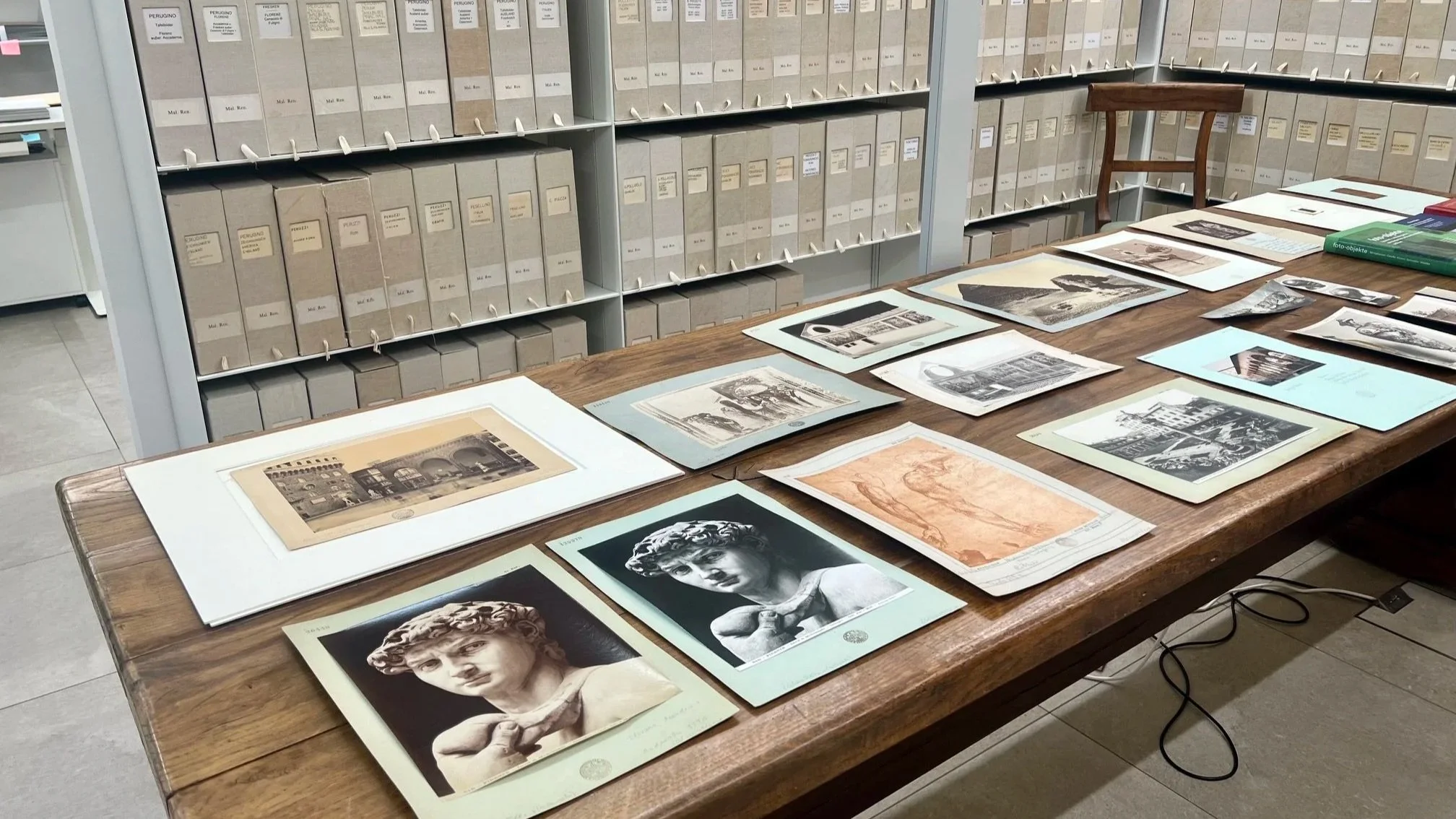
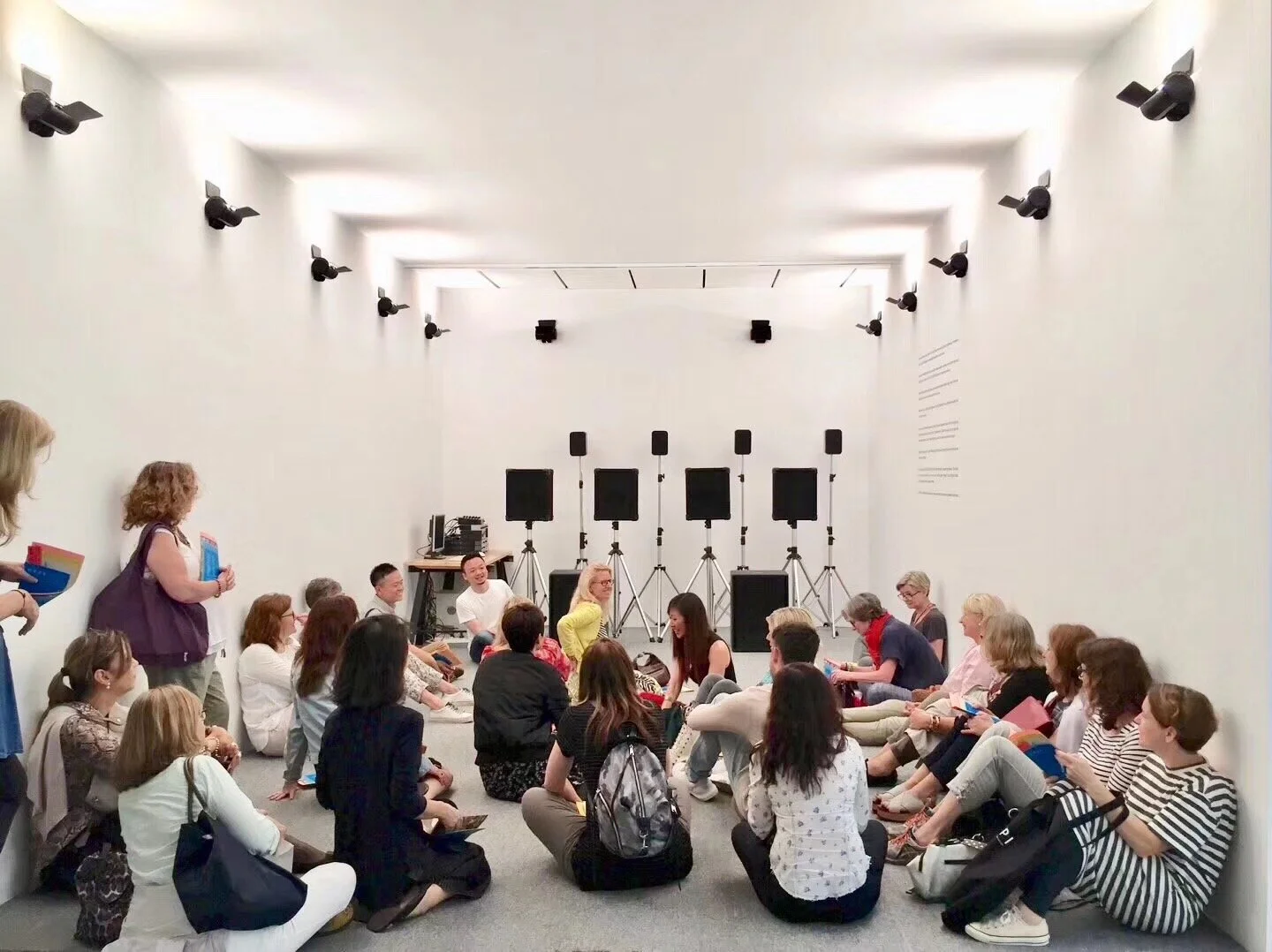
By bringing students directly into my public humanities and digital archiving initiatives, I help them bridge theoretical critique with hands-on, ethical storytelling.
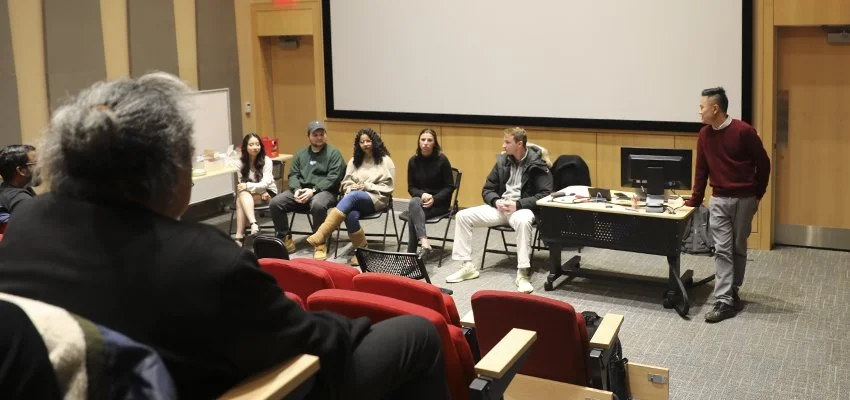
Student Testimonies
“I think my class with him really set the standard for how much I would want to participate in my future classes. I realized that a student only gets out of a class as much as they put into it. I try to engage as much as is appropriate in my classes and give as much as the professor does.”
— Former Student“It was very evident that he genuinely cared about the success of his students … he would go out of his way to check in with students and if you were falling behind, even though it is not his responsibility, he would reach out with his best attempts to try and catch you up to speed.”
— Former Student“He taught very concrete history, with strong sociological and historical contexts to discuss a specific theory or artistic trend, and then not only provided examples of that trend, but encouraged us to embody it in our art as well. His class was intellectual and thought-provoking as it was a participatory creative environment, and that was incredibly impactful for my learning experience. ”
— Former Student“One thing that always impressed me about his approach is that everything he taught was connected to creating a more just world, and he used media as a means of social justice. He really taught me the impact media had on society and how we can use it as a tool for equity.”
— Former Student