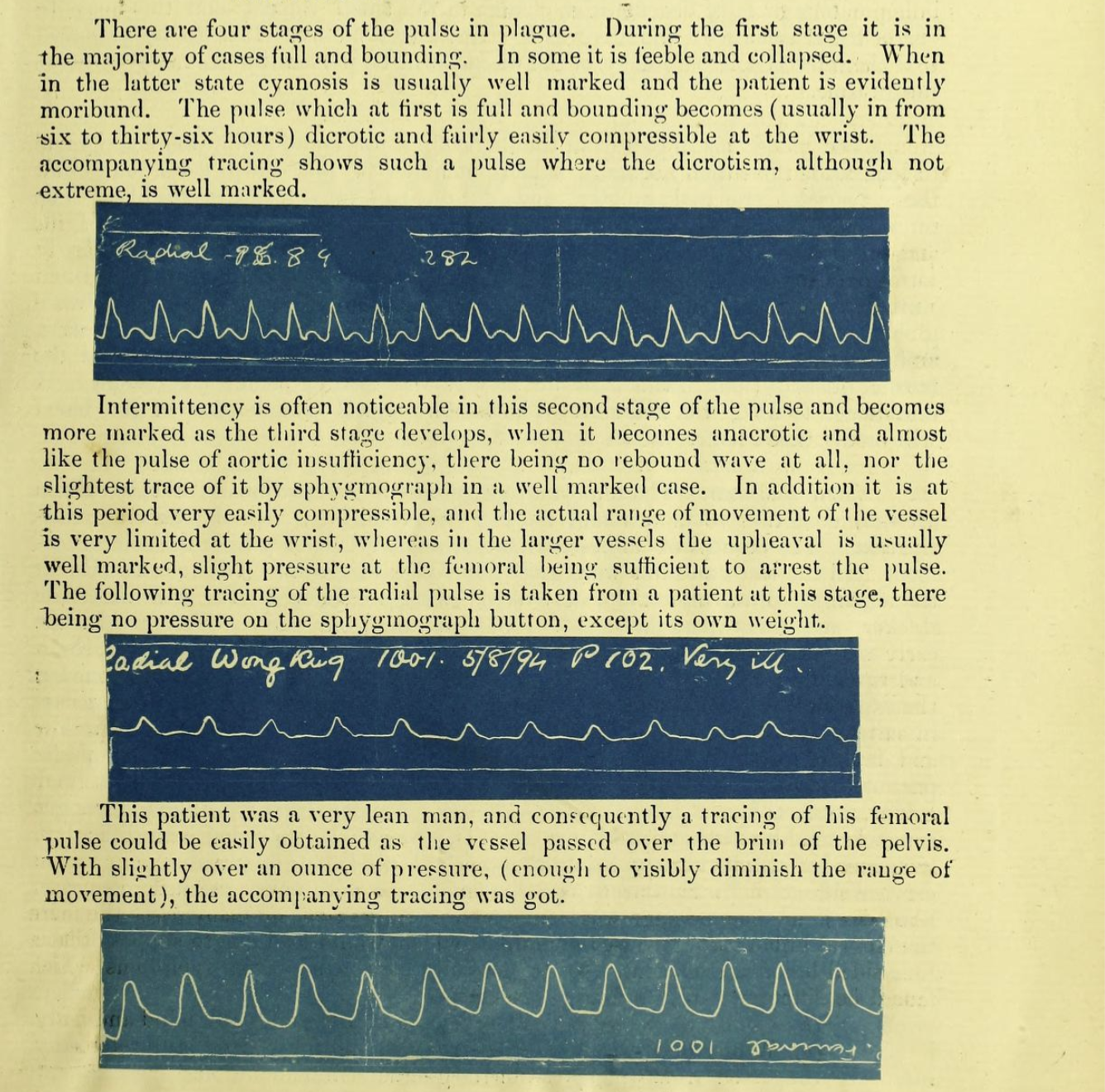
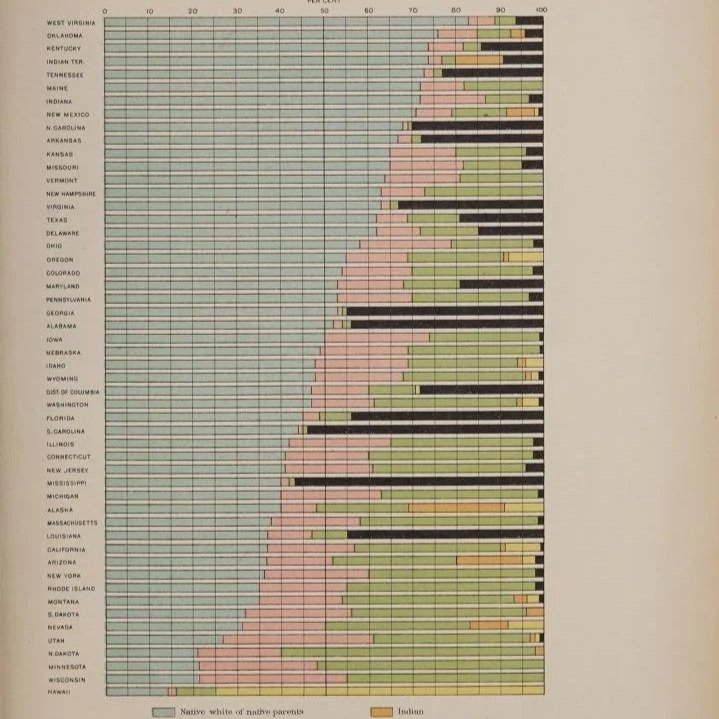
As a historian of visual culture and media technologies, I investigate how race is materially and technologically produced through photography, synthetic pigments, and statistical visualization. My research traces the historical entanglements of social scientific knowledge and visual media with particular attention to the nineteenth and early twentieth centuries.
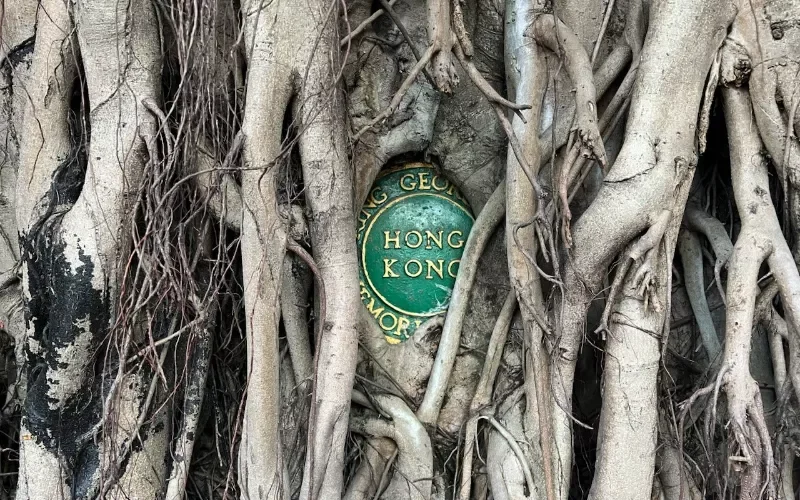
A related strand of my research examines how racial and species thinking intersected in the reproductive politics of Chinese immigration in the Americas since the nineteenth century. My project on banyan trees in Hawai‘i investigates how the transplantation and naturalization of nonnative species became entangled with colonial ideas about race and labor.
Below are some select projects that I have been working on.